Foam Rolling Frequency: 3 Rules for Best Results (No Hype)
I once spent a whole year foam rolling my quads every single day for twenty minutes because some internet guru said you couldn't overdo it. By month eight, my thighs ached constantly, and I had developed a weird, tender lump near my hip that took a sports massage therapist to unpick. That's when I learned the hard way that foam rolling frequency isn't about grinding yourself into submission—it's about knowing when to roll, when to rest, and when to let your body do its own work. Here are the three rules that finally got me real, lasting results, without the bruising.
Why Foam Rolling Frequency Matters More Than You Think
If you've ever asked yourself how often should you foam roll for best results, you're not alone. Most advice online boils down to "roll every day" or "listen to your body," which is about as helpful as saying "eat when you're hungry." The truth is that frequency is the single most overlooked variable in foam rolling success, and it's the one that separates people who feel better from people who just feel more sore.
Think of your muscle tissue like a sponge. Roll it too little, and it stays stiff and matted. Roll it too much, and you wring it out so aggressively that it starts fraying at the edges. The foam rolling benefits—improved range of motion, reduced perceived soreness, better blood flow—all depend on a Goldilocks sweet spot that shifts based on what you did yesterday and what you plan to do tomorrow.
Research from sources like the American Council on Exercise suggests that self-myofascial release works by stimulating mechanoreceptors and temporarily altering tissue viscosity, not by physically breaking down adhesions like some people claim. That means the effect is transient and dose-dependent. Roll too frequently or too long, and you can actually inflame the fascia rather than calm it. A 2020 review in the Journal of Sports Sciences noted that sessions lasting more than ten minutes per muscle group didn't produce additional gains in flexibility, and in some cases, reduced muscle force output for hours afterward.
So the real question isn't "should I foam roll every day?" but "how much rolling does my body actually need today?" That's what the next three rules will help you answer.
Rule #1: Listen to Your Tissue, Not a Timer
The first rule sounds obvious, but I broke it for months. I had a strict schedule: ten minutes on my calves, quads, and glutes every morning, whether I felt tight or not. The problem was that on days when my legs were already well-recovered, the rolling just irritated them. I'd wake up the next morning feeling more achy than before.
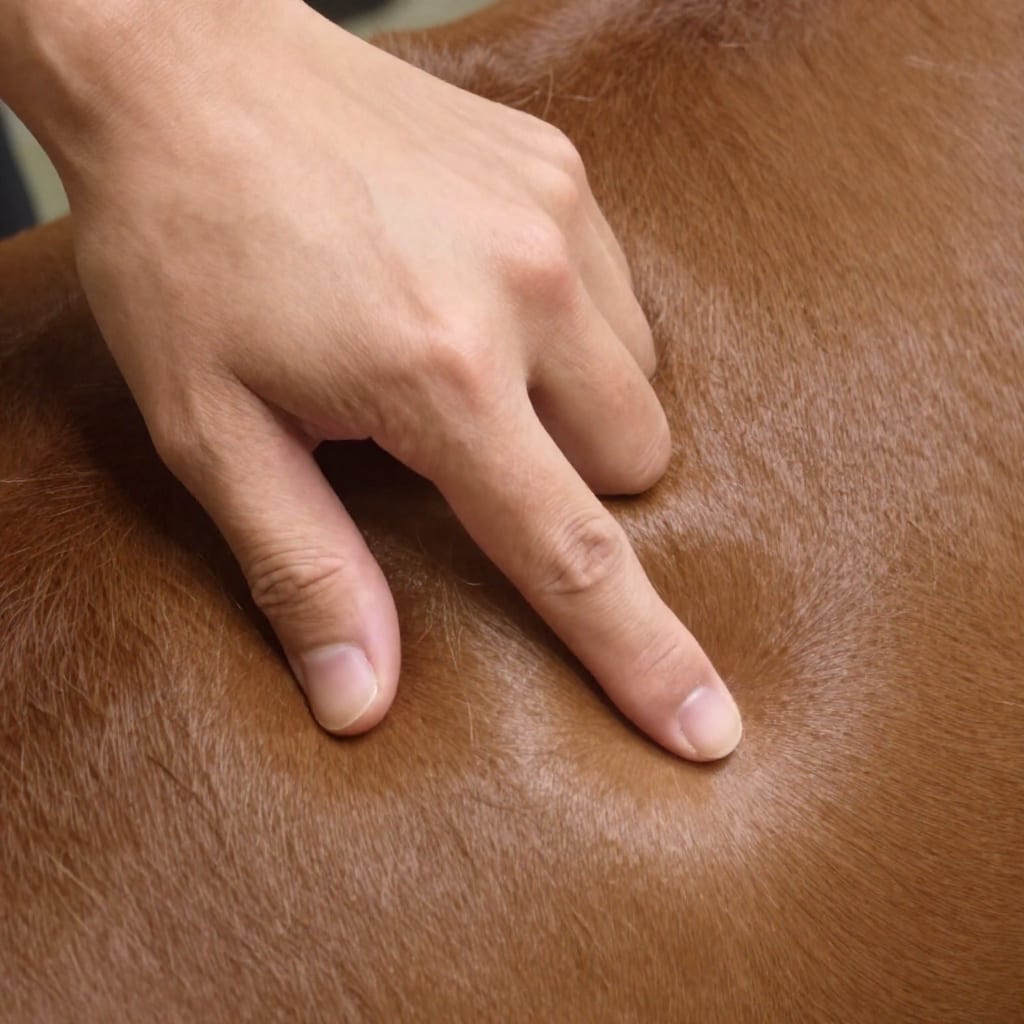
Here's what I do now, and it's dead simple: before I pick up the roller, I press a thumb into the belly of the muscle I'm targeting. If it feels dense and tender—like a ripe avocado that's just a little too firm—I roll. If it feels springy and pain-free, I skip. That thumb test takes three seconds and has saved me more soreness than any schedule ever did.
When to roll:
- Your muscle feels knotted, tight, or restricted in movement
- You have general stiffness after a night's sleep or a long day of sitting
- You're about to do light activation work and want to wake up the tissue
When to skip:
- The muscle is already bruised, swollen, or acutely inflamed (give it 48 hours)
- You rolled that same area less than six hours ago and it's still tender
- You're feeling that "I need to foam roll because I always foam roll" compulsion
The risk of over-rolling is real. I've seen people create nasty hematomas on their IT bands by attacking them daily with a lacrosse ball. Your fascia is living tissue; it needs time to recover from mechanical stress, just like your muscles do after a workout. A good rule of thumb is to treat each muscle group like a separate workout: give it at least a few hours between sessions, and if it's still tender the next day, back off.
Rule #2: Match Frequency to Your Activity Level and Goal
Once you've learned to read your tissue, the second rule is about context. Your foam rolling frequency should shift depending on whether you're a marathoner, a desk worker, or somewhere in between. Here's how I break it down by scenario:
Pre-workout activation
If you're using a roller as part of your warm-up, keep it short and light. Two to three minutes total, focusing on the muscles you're about to use. The goal here isn't deep release—it's waking up blood flow and neural drive. I do a quick roll on my glutes and hamstrings before squats, but I never spend more than 30 seconds per spot. Research from the National Strength and Conditioning Association indicates that prolonged static rolling before explosive movements can actually decrease power output for up to 15 minutes. So save the deep work for later.
Post-workout recovery
This is where most people overdo it. After a tough session, your muscle fibers are micro-damaged and inflamed. Aggressive rolling can make that inflammation worse. I limit post-workout rolling to five minutes total, using gentle pressure and moving slowly. If I'm sore the next day, I might do a second light session, but I never go back-to-back on the same muscle group without at least six hours of recovery. For foam rolling recovery frequency, once per muscle group per day is plenty unless you're doing very low-intensity maintenance.
Sedentary days and general tightness
Ironically, you can get more benefit from rolling on rest days than on training days. When I'm sitting at my desk for hours, my hips and lower back tighten up. A quick five-minute session mid-afternoon helps me reset. But even here, I follow the thumb test. If the tissue feels okay, I do a quick pass and move on. I don't chase problems that aren't there.
Pain management
If you're using a roller to manage chronic tightness—say, in your upper back from poor posture—you can roll daily, but keep it gentle. Think of it as a soft massage, not a demolition project. A 2019 study in PubMed found that daily self-myofascial release at moderate pressure improved perceived pain and mobility in desk workers over four weeks. The key word is moderate. If you're wincing, you're doing too much.
Rule #3: Let Recovery Be Your Frequency Ceiling
This is the rule I wish someone had told me years ago: foam rolling is a recovery tool, not a performance enhancer. You cannot roll your way to better fitness. In fact, rolling too much can blunt the very adaptations you're trying to build.
When you lift weights or run, you create micro-tears in muscle fibers. Your body repairs those tears and builds them back stronger—that's the essence of getting fit. Foam rolling stimulates blood flow and may reduce perceived soreness, but it does not accelerate the repair process. If you roll the same muscle group three or four times a day, you're essentially poking a healing wound over and over. That can delay recovery and increase inflammation.
My practical cap: I never roll the same muscle group more than twice in one day, and I rarely do it more than four days in a row without at least one day off. If I'm training hard, I'll roll once after my workout and maybe once the next morning if I'm stiff. By the second rest day, I usually don't need it at all.
Your body has its own recovery mechanisms. Sleep, nutrition, and hydration are far more powerful than any roller. Foam rolling is a supplement, not a replacement. When you start feeling like you "need" to roll to function, that's a red flag. It might mean you're overtraining, not under-rolling.
Foam rolling limits to keep in mind:
- Max 2–3 sessions per muscle group per day (including warm-up and cool-down)
- Keep each session under 10 minutes total for the whole body
- Never roll into sharp, stabbing pain—that's a sign of injury, not tightness
- Schedule at least one rest day per week where you don't roll at all
FAQ: Foam Rolling Frequency Questions Answered
Can I foam roll every day?
Yes, but with caution. Daily rolling is safe if you keep sessions short (5–10 minutes total) and avoid spending too long on any single spot. Focus on general maintenance rather than deep, sustained pressure.
How long should I foam roll a specific muscle group?
Aim for 30–60 seconds per area, moving slowly. Avoid staying on one spot for more than 90 seconds, as it can aggravate tissue rather than release it.
Is it okay to foam roll before a workout?
Yes, but keep it light and dynamic. Use a quick 2–3 minute warm-up roll to activate muscles, not to deep-tissue release, which can temporarily reduce power output.
What happens if I foam roll too much?
Excessive rolling can cause bruising, inflammation, or muscle irritation. It may also blunt the body's natural healing response by over-stimulating already stressed tissues.
Should I foam roll on days I don't work out?
Absolutely. Light rolling on rest days can aid active recovery, improve circulation, and manage general stiffness. Just keep intensity low—think gentle maintenance, not aggressive therapy.
Final Takeaway: Roll Smarter, Not More
The whole foam rolling myth is that more equals better. It doesn't. The three rules—listen to your tissue, match frequency to your activity, and let recovery be your ceiling—aren't complicated, but they take practice to follow. Start by doing the thumb test before every session. If you feel tight, roll gently for a few minutes. If you don't, save your roller for another day. Your muscles will thank you, and you'll finally get the results without the hype. Worth bookmarking before your next training block.